

We are collaborating on creating a solutions manual to accompany Hadley Wickham’s new book Mastering Shiny . It’s still in development and we welcome contributions to the repo—check it out at http://mastering-shiny-solutions.org .



Shiny Solutions
Solutions to the exercises in *Mastering Shiny* are being assembled online
More On Learn

Recreating Septa Transit Timetables in Python
Recently, Rich and I were poking around transit data, and we were struck by the amount of structuring that goes into transit timetables.
For example, consider this weekend rail schedule table from SEPTA, Philadelphia’s transit agency.
Notice these big pieces:
The vertical text on the left indicating trains are traveling “TO CENTER CITY”. The blue header, and spanner columns (“Services” and “Train Number”) grouping related columns. The striped background for easier reading. Also the black background indicating stations in Center City (the urban core). Tables like this often have to be created in tools like Illustrator, and updated by hand. At the same time, when agencies automate table creation, they often sacrifice a lot of the assistive features and helpful affordances of the table.
Outgrowing your laptop with R and Positron
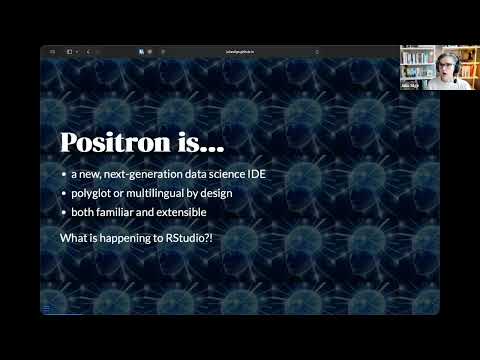
R-Ladies Abuja has posted a recording of a recent talk on Positron, and you can find it here!

PDF Accessibility and Standards
Quarto 1.9 brings PDF accessibility and standards support, building on new tagging features in LaTeX and Typst.